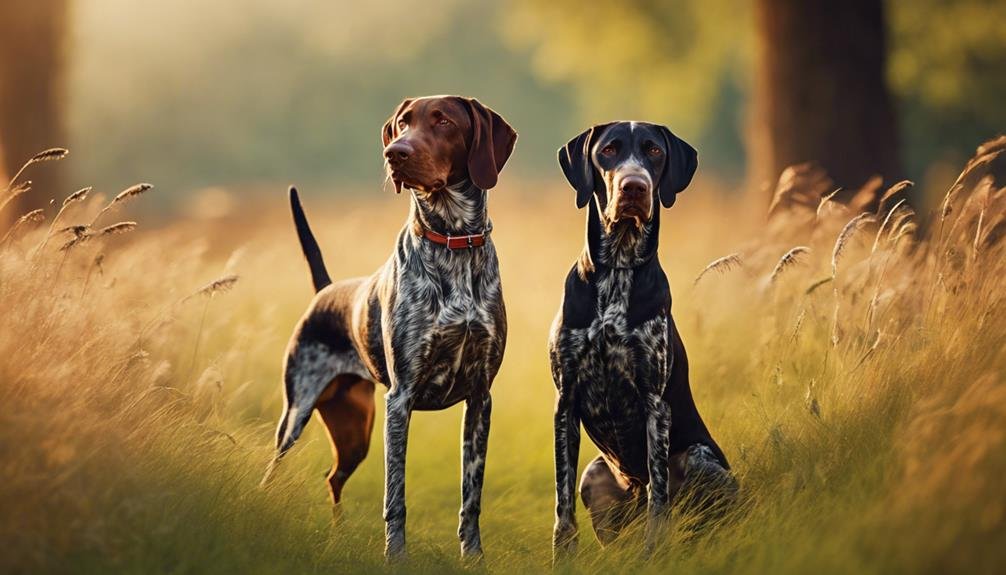
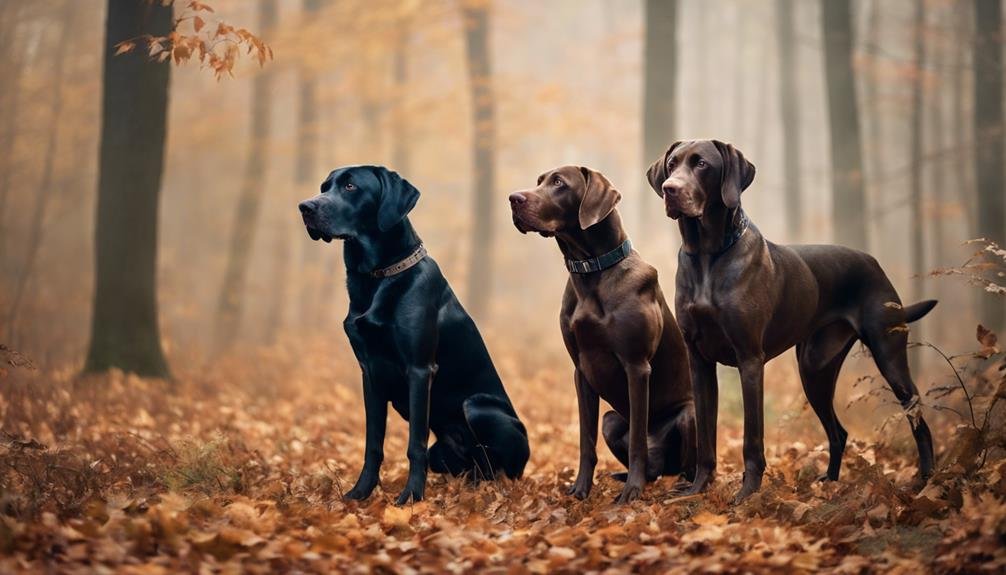
Versatile hunting dogs possess distinct characteristics and traits, making them indispensable companions for hunters. Selectively bred for centuries, they excel in various hunting environments and scenarios, adapting to diverse settings and retrieving game on both land and water. Their exceptional problem-solving skills, trainability, and adaptability enable them to thrive in a wide range of situations. By understanding breed strengths and weaknesses, hunters can select a dog that complements their hunting style and environment, leading to a more successful and enjoyable hunting experience. As we explore the world of versatile hunting dogs, a deeper appreciation for their unique strengths and abilities awaits.
Key Takeaways
- Versatile hunting dogs excel in diverse settings, from dense forests to open fields, and retrieve game in both water and on land.
- Understanding dog psychology is essential in developing a strong bond between hunter and dog, allowing for seamless communication and cooperation.
- Selecting the right breed for specific hunting needs is vital, as certain breeds excel in particular hunting environments and scenarios.
- A well-planned training regimen, incorporating positive reinforcement techniques, is essential for developing a strong bond between dog and handler.
- Effective hunting strategies involve understanding the terrain, adapting to weather conditions, and utilizing the dog's exceptional senses to locate and track game.
Breed Characteristics and Traits
Among versatile hunting dog breeds, distinct characteristics and traits define their suitability for various hunting applications, with each breed boasting unique strengths and weaknesses. Dog temperaments and hunting styles greatly influence their performance in the field. For instance, breeds like the English Pointer are renowned for their exceptional noses and staunch pointing abilities, making them ideal for upland game bird hunting. In contrast, breeds like the German Shorthair excel in their versatility, retrieving game on both land and water. Understanding the specific traits and temperaments of each breed is vital in selecting the right dog for a particular hunting style, ensuring a harmonious and successful hunting experience. By recognizing these breed-specific characteristics, hunters can optimize their hunting strategy and capitalize on their dog's strengths.
Defining Versatile Hunting Dogs
What distinguishes versatile hunting dogs from other breeds is their unique ability to adapt to various hunting environments and scenarios, making them invaluable assets for hunters. Their adaptability allows them to excel in diverse settings, from dense forests to open fields, and to retrieve game in both water and on land. This versatility is rooted in their exceptional dog psychology, which enables them to thrive in a wide range of situations.
| Characteristics | Description |
|---|---|
| Adaptability | Ability to adjust to different hunting environments and scenarios |
| Multitasking | Capacity to search, point, and retrieve game on both land and water |
| Intelligence | Exceptional problem-solving skills and trainability |
The Role of Hunting Dogs
Hunting dogs play a pivotal role in the hunting experience, serving as indispensable companions that greatly enhance the overall success and enjoyment of the hunt. As an integral part of hunting traditions, they have been selectively bred for centuries to excel in specific tasks, such as pointing, retrieving, and tracking. Understanding dog psychology is essential in developing a strong bond between hunter and dog, allowing for seamless communication and cooperation. A well-trained hunting dog can locate and retrieve game, reducing the time and effort required to complete a hunt. By leveraging their unique skills and abilities, hunting dogs substantially contribute to the overall hunting experience, making them invaluable assets for any hunter.
Breeds for Specific Hunting Needs
Specific breeds of versatile hunting dogs excel in particular hunting environments and scenarios, necessitating careful consideration of a breed's strengths and weaknesses when selecting a dog for a specific hunting need. Different breeds thrive in distinct hunting environments, such as dense woods, open fields, or waterfowl habitats. Breed specialization is vital, as certain breeds excel in specific game preferences, like upland birds or waterfowl. Hunting styles also influence breed selection, with some breeds suited for close-quarters hunting and others for longer-range pursuits. By understanding a breed's strengths and weaknesses, hunters can select a dog that complements their hunting style and environment, ensuring a successful and enjoyable hunting experience.
Training and Care Essentials
How do versatile hunting dogs, bred for their exceptional abilities, remain effective companions in the field, and what essential training and care practices promote their peak performance and longevity? A well-planned training regimen, incorporating positive reinforcement techniques, is essential for developing a strong bond between dog and handler. Proper nutrition, tailored to a dog's specific needs, fuels peak performance. A balanced diet rich in protein, fat, and complex carbohydrates supports energy demands. Adequate rest and recovery are also necessary for maintaining physical and mental well-being.
| Training Essentials | Care Essentials |
|---|---|
| Positive Reinforcement | Balanced Nutrition |
| Socialization and Exposure | Necessary Rest and Recovery |
| Consistent Communication | Regular Veterinary Check-ups
Hunting With Versatile Companions
When paired with a skilled handler, a versatile hunting dog can elevate the hunting experience, providing an unparalleled level of excitement and satisfaction. This synergy is rooted in a deep understanding of dog psychology, which recognizes that a hunting dog's behavior is shaped by its breeding, training, and socialization. Effective hunting etiquette is also vital, as it safeguards a respectful and safe environment for both humans and dogs. By acknowledging the unique characteristics and strengths of each breed, hunters can optimize their partnership with their versatile companions. By doing so, they can tap the full potential of their hunting experience, fostering a deeper appreciation for the natural world and the special bond between humans and dogs.
Expert Hunting Dog Advice
In seeking expert guidance on optimizing the performance of versatile hunting dogs, hunters can benefit from the collective wisdom of experienced trainers and handlers who have refined their craft through years of hands-on experience and rigorous testing. These experts emphasize the importance of understanding dog psychology, highlighting the need to establish trust and clear communication with your hunting companion. They also stress the significance of hunting etiquette, guaranteeing that both hunters and their dogs respect the environment and fellow hunters.
- Respect the dog's instincts: Recognize and appreciate the natural abilities of your versatile hunting dog.
- Develop a strong bond: Establish trust and clear communication with your dog to optimize performance.
- Prioritize training and care: Invest time and resources in proper training and care to facilitate a successful hunting experience.
Related Hunting Stories and Tips
Versatile hunting dogs have inspired countless stories of triumph, tragedy, and camaraderie, offering valuable lessons and insights for hunters seeking to refine their skills. These stories often highlight the unique bond between hunter and dog, showcasing the importance of trust, communication, and teamwork in the field.
| Hunting Memories | Dog Psychology Insights |
|---|---|
| A hunter's first successful retrieve with their new pup | Dogs thrive on routine and clear commands |
| Overcoming a difficult hunt with a seasoned dog | Canine body language reveals excitement and anxiety |
| Learning to read a dog's cues in the field | Positive reinforcement training yields better results |
| The emotional bond formed between hunter and dog | Dogs respond to emotional energy and tone |
Hunting Gear and Accessories
Hunters seeking to optimize their hunting experience with versatile dogs require a range of specialized gear and accessories that cater to the unique demands of this dynamic partnership. From hunting backpacks designed to carry essential gear to waterproof cases for protecting sensitive equipment, every item plays a vital role in facilitating a successful hunt.
- Gear Maintenance Kits: Maintain your gear in top condition with kits that include cleaning solutions, lubricants, and repair tools.
- Dog First Aid Kits: Be prepared for unexpected injuries with kits containing bandages, antiseptic wipes, and pain relievers.
- Scent Control Systems: Minimize your scent trail with systems featuring scent-controlling sprays, wipes, and clothing.
Caring for Your Hunting Partner
Eighty percent of a hunting dog's success relies on its physical and mental well-being, making proper care and maintenance a fundamental aspect of the hunting partnership. A well-cared-for dog is more likely to perform at its best in the field. Nutrition Essentials, such as a balanced diet, are essential for maintaining peak health. Regular Health Checkups with a veterinarian can identify potential issues before they become severe. Regular Grooming helps prevent matting and tangling, reducing the risk of skin irritation. Mental Stimulation, through activities like obedience training, keeps the dog's mind engaged. A structured Exercise Routine, tailored to the dog's age and breed, enhances physical fitness. By prioritizing these aspects of care, hunters can foster a strong, healthy partnership with their hunting dog.
Maximizing Your Hunting Experience
By optimizing their hunting strategy and leveraging the unique strengths of their canine companions, hunters can substantially enhance their overall hunting experience and increase their chances of success. Effective hunting strategies involve understanding the terrain, adapting to weather conditions, and utilizing the dog's exceptional senses to locate and track game. By fine-tuning their approach, hunters can:
- Increase their harvest rates by identifying and exploiting the most productive hunting grounds.
- Enhance their outdoor adventures by exploring new territories and experiencing the thrill of the hunt.
- Strengthen their bond with their canine companion, fostering a deeper understanding and appreciation for the unique strengths of their hunting partner.
Frequently Asked Questions
Can Versatile Hunting Dogs Adapt to Different Hunting Environments?
Versatile hunting dogs can adapt to different hunting environments through terrain variability training and climate acclimation, allowing them to effectively navigate diverse landscapes and weather conditions, thereby maximizing their hunting potential.
How Do I Handle a Hunting Dog With a Strong Prey Drive?
Training a hunting dog with a strong prey drive is like traversing a tempestuous sea – harness the storm with a reward system and distraction techniques to channel their energy, avoiding chaos and ensuring a harmonious hunt.
Are Versatile Hunting Dogs Suitable for First-Time Dog Owners?
For first-time dog owners, versatile hunting dogs can be challenging due to their strong prey drive and high energy levels, requiring experienced handling and training; owner expectations must align with the breed's needs and characteristics to facilitate a successful partnership.
Can I Use a Versatile Hunting Dog for Hunting Waterfowl?
Like a precision-crafted machine, a versatile hunting dog can excel in waterfowl hunting, employing strategic waterfowl tactics and retrieval strategies, leveraging their innate abilities to locate and retrieve downed birds in aquatic environments.
Do Versatile Hunting Dogs Require a Large Backyard or Exercise Area?
While versatile hunting dogs require regular exercise, they can adapt to urban dwelling with space constraints, needing only daily walks and short training sessions, making them suitable for apartment living with dedicated owners.
Conclusion
Finally, versatile hunting dogs are indispensable assets to hunters, offering a multifaceted skillset that elevates the hunting experience. By understanding breed characteristics, strengths, and weaknesses, hunters can tap their full potential. Like a well-oiled machine, a harmonious partnership between hunter and dog can be achieved through proper training and care, leading to a seamless and successful hunt.