
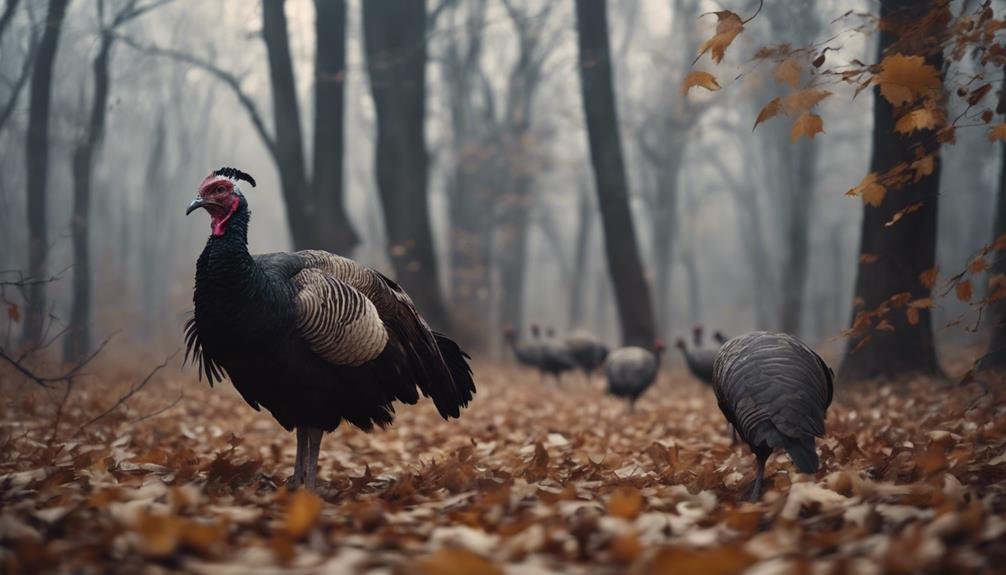
A highly pathogenic avian influenza (HPAI) outbreak caused by the H5N1 virus has swept across North America, infecting wild turkeys for the first time ever, sparking concerns about the potential devastating impact on Western United States populations. The virus has been spreading rapidly through migratory patterns, infecting birds that travel along major flyways. Three wild turkeys in Montana have tested positive for HPAI, and habitat fragmentation and human-turkey interactions may exacerbate the spread. As the outbreak continues to unfold, understanding its implications and mitigation strategies becomes essential for conservation efforts – and there's more to uncover about the impact on wild turkey populations.
Key Takeaways
- HPAI has been detected in wild turkey flocks for the first time, sparking concerns about the impact on Western United States populations.
- Habitat fragmentation and human-turkey interactions may exacerbate the spread of HPAI among wild turkeys.
- Three turkeys in Montana have tested positive for HPAI, with the actual number likely higher due to underreporting.
- Conservation efforts, such as early detection and reporting, are vital in mitigating the impact of HPAI on wild turkey populations.
- Responsible wildlife handling practices and access control measures can minimize HPAI transmission among wild turkeys.
Avian Influenza Outbreak Spreads
Since December 2021, a highly pathogenic avian influenza (HPAI) outbreak caused by the H5N1 virus has swept the continent, with the largest avian influenza outbreak in US history unfolding as a result. This outbreak has coincided with the flu season, which typically runs from October to May. The virus is believed to have originated from China via migratory bird movement, highlighting the critical role of bird migration in the spread of the disease. As birds migrate, they can carry the virus across vast distances, infecting other birds and domestic flocks along the way. The rapid spread of HPAI has raised concerns about the potential impact on wild bird populations and the poultry industry.
Wild Birds Contracting the Disease
Wild birds, including snow geese, Canada geese, and raptors, have been contracting the disease at an alarming rate, with Montana reporting a higher number of wild bird mortalities this year compared to 2015. The virus has been spreading rapidly through migratory patterns, infecting birds that travel along major flyways. Wild habitats, such as wetlands and forests, have become breeding grounds for the disease. As birds congregate in these areas, the virus spreads quickly, often going undetected until it's too late. The USDA reports 18 birds in Montana have tested positive for HPAI, but the actual number is likely higher. The rapid spread of the disease in wild birds has raised concerns about the long-term impact on ecosystems and biodiversity.
First-Ever Wild Turkey Infections
In a concerning development, HPAI has been detected in wild turkey flocks for the first time ever, sparking fears about the potential impact on Western United States populations. This detection raises concerns about the disease's spread through Wild Turkey Habitats and Turkey Migration Patterns.
| State | Number of Infected Turkeys | Location |
|---|---|---|
| Montana | 3 | Billings |
| Wyoming | 0 | – |
| South Dakota | 0 | – |
| North Dakota | 0 | – |
| Indiana | 0 | – |
The infected turkeys in Montana were part of an urban flock, habituated to human presence, and may have bred with domestic turkeys. This unprecedented detection highlights the need for continued surveillance and conservation efforts to mitigate the impact of HPAI on wild turkey populations.
Impact on Wild Turkey Populations
HPAI's detection in wild turkey flocks has sparked concerns about the potential impact on Western United States populations, where the disease could lead to significant declines in turkey flocks if left unchecked. Wild turkey populations in the West have largely escaped declines seen in other parts of the country. However, habitat fragmentation and human-turkey interactions may exacerbate the spread of HPAI. As wild turkeys often inhabit fragmented habitats, the disease could spread quickly through these populations. Conservation efforts are vital in mitigating the impact of HPAI on wild turkey populations. Early detection and reporting of HPAI cases are critical in preventing the spread of the disease.
Pheasant Farming Concerns Rise
The Wyoming Game & Fish Department's decision to depopulate a 1,200-member broodstock of pen-raised pheasants near a suspected HPAI outbreak has sparked concerns about the vulnerability of captive pheasant populations to the highly contagious virus. This move highlights the need for enhanced Pheasant Regulations and Farm Biosecurity measures to prevent the spread of HPAI. To mitigate the risks, pheasant farms should:
- Implement strict biosecurity protocols, including regular testing and sanitation practices.
- Enhance surveillance and monitoring for signs of HPAI in captive populations.
- Develop contingency plans for potential outbreaks, including depopulation and disinfection procedures.
Conservation Efforts Underway
Conservation biologists are racing against time to develop and implement effective strategies to mitigate the devastating impact of HPAI on wild turkey populations. Habitat preservation and restoration are critical components of these efforts, as fragmented habitats can exacerbate the spread of disease. Wildlife corridors, which connect isolated habitats, are being prioritized to facilitate gene flow and reduce the risk of inbreeding. By preserving and restoring habitats, conservationists aim to increase the resilience of wild turkey populations to HPAI. Additionally, researchers are exploring innovative approaches to disease management, such as vaccinating wild turkeys or using probiotics to boost their immune systems. These efforts require collaboration among state agencies, wildlife organizations, and local communities to guarantee the long-term survival of wild turkey populations.
Human Risk and Precautions Needed
Wildlife experts and health officials stress that while the risk of human transmission is low, precautions are still necessary to minimize the chance of contracting HPAI. Hunters, farmers, and outdoorsmen should exercise caution when handling dead birds or coming into contact with potentially infected birds. To reduce the risk of transmission, follow these guidelines:
- Practice Personal Hygiene: Wash hands thoroughly with soap and water after handling birds or coming into contact with potentially infected surfaces.
- Maintain Farm Sanitation: Verify that farm equipment and surfaces are regularly disinfected to prevent the spread of the virus.
- Wear Protective Gear: Wear rubber gloves and masks when handling dead birds or cutting open harvested birds to minimize exposure to the virus.
Reporting Dead Birds Is Crucial
As the public plays a key role in tracking the spread of HPAI, reporting dead birds is essential in identifying potential outbreak hotspots and containing the disease. Citizen science initiatives, such as bird tracking programs, rely on public participation to gather data on bird mortalities. By reporting dead birds, individuals can contribute to a thorough understanding of HPAI's spread, enabling authorities to respond swiftly to emerging outbreaks. This collaborative effort between the public and wildlife agencies is critical in mitigating the impact of HPAI on wild turkey populations. Timely reporting of dead birds enables targeted surveillance, facilitating the containment of outbreaks and reducing the risk of further transmission. By working together, we can combat the spread of HPAI and protect our wild bird populations.
Tracking the Spread of HPAI
The USDA's Animal and Plant Health Inspection Service (APHIS) has been tracking the spread of HPAI in wild birds, with South Dakota reporting at least 50 positive cases and North Dakota leading the country with 197 known cases. To understand the spread of HPAI, researchers are studying bird migration patterns and avian ecology models. This knowledge is vital in predicting where the disease may spread next.
- Bird Migration Patterns: Understanding the migration patterns of wild birds helps identify high-risk areas for HPAI transmission.
- Avian Ecology Models: These models simulate the interactions between birds, their environment, and the disease, allowing for more accurate predictions of HPAI spread.
- HPAI Hotspots: By identifying areas with high concentrations of infected birds, conservation efforts can focus on mitigating the impact of HPAI on wild turkey populations.
Mitigating the Impact on Turkeys
Conservationists and wildlife managers must implement targeted strategies to mitigate the devastating impact of HPAI on wild turkey populations, particularly in the Western United States. Protective measures should focus on preserving turkey habitats within wildlife reserves, ensuring minimal human-turkey interactions, and maintaining clean water sources. By monitoring and controlling access to these areas, the risk of HPAI transmission can be reduced. Additionally, education campaigns should be launched to inform hunters, outdoor enthusiasts, and local communities about the risks of HPAI and the importance of responsible wildlife handling practices. By taking proactive steps, the impact of HPAI on wild turkey populations can be minimized, preserving these iconic birds for future generations.
Early Detection Is Key
What role can early detection play in containing the spread of HPAI, and how can it be achieved through a combination of public awareness, surveillance, and rapid response strategies? Early detection is vital in preventing the spread of HPAI, as it enables swift action to be taken to contain outbreaks. Key to this is:
- Virus Surveillance: Monitoring wild bird populations for signs of HPAI, allowing for quick identification of infected birds.
- Public Awareness: Educating the public on the risks and symptoms of HPAI, encouraging them to report suspicious bird deaths.
- Rapid Response: Swiftly depopulating infected flocks, disposing of carcasses, and disinfecting areas to prevent further transmission.
Collaboration for Conservation
Fifty state and federal agencies, wildlife organizations, and research institutions must collaborate to develop and implement effective conservation strategies for mitigating the impact of HPAI on wild turkey populations. Collaboration is essential for sharing knowledge, resources, and expertise to combat this disease.
| Category | Collaboration Efforts | Goals |
|---|---|---|
| Community Engagement | Public awareness campaigns, reporting systems | Early detection, public education |
| Interagency Coordination | Joint research initiatives, data sharing | Standardized protocols, data analysis |
| Cross Border Cooperation | International research collaborations, disease tracking | Global disease monitoring, best practices |
Frequently Asked Questions
Can HPAI Be Transmitted Through Contaminated Water Sources?
Researchers suspect that HPAI can be transmitted through contaminated water sources, a fowl play scenario, as the virus can survive in water for extended periods, posing a waterborne risk to birds and potentially other animals.
Are Domesticated Birds More Susceptible to HPAI Than Wild Birds?
Researchers suggest that domesticated birds' genetic predisposition and compromised immune response, resulting from intensive breeding and close quarters, make them more susceptible to HPAI than wild birds, which have evolved natural defenses.
Can HPAI Be Eradicated From the Environment Once It's Present?
Coincidentally, a study reveals that HPAI's environmental persistence is prolonged due to viral shedding from infected birds, making eradication challenging, if not impossible, without concerted conservation efforts and rigorous sanitation protocols.
Are There Any HPAI Vaccines Available for Wild Turkeys or Pheasants?
Researchers are actively developing HPAI vaccines for wild turkeys and pheasants, focusing on flock immunity and habitat-specific strains, but challenges remain in creating effective vaccines that adapt to varied turkey habitats and pheasant behavior.
Can HPAI Infect Other Wildlife Species Beyond Birds and Turkeys?
While avian species are most susceptible, HPAI can potentially infect other wildlife, including mammals, although the risk is low, and fish, which are generally resistant, but vulnerabilities exist, warranting continued research and monitoring.
Conclusion
As the HPAI outbreak spreads like a 'wildfire out of control,' the clock is ticking for wild turkey populations. With the virus now entrenched in their ranks, the fate of these iconic birds hangs in the balance. It's a 'race against time' to mitigate the impact, and concerted conservation efforts are vital to prevent a devastating decline. The window for action is narrow, but with early detection and collaboration, there's still hope to 'stem the tide' of this deadly disease.