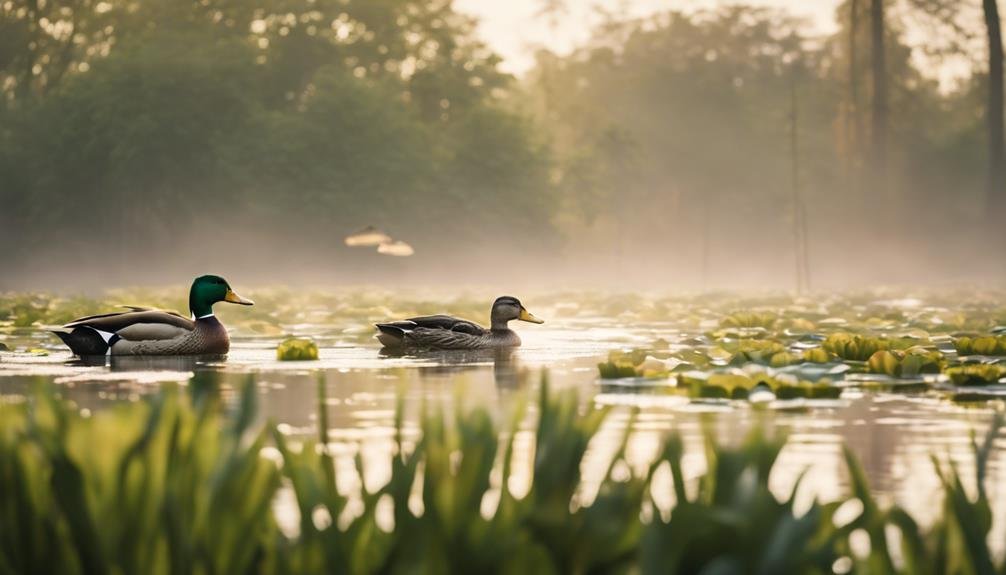
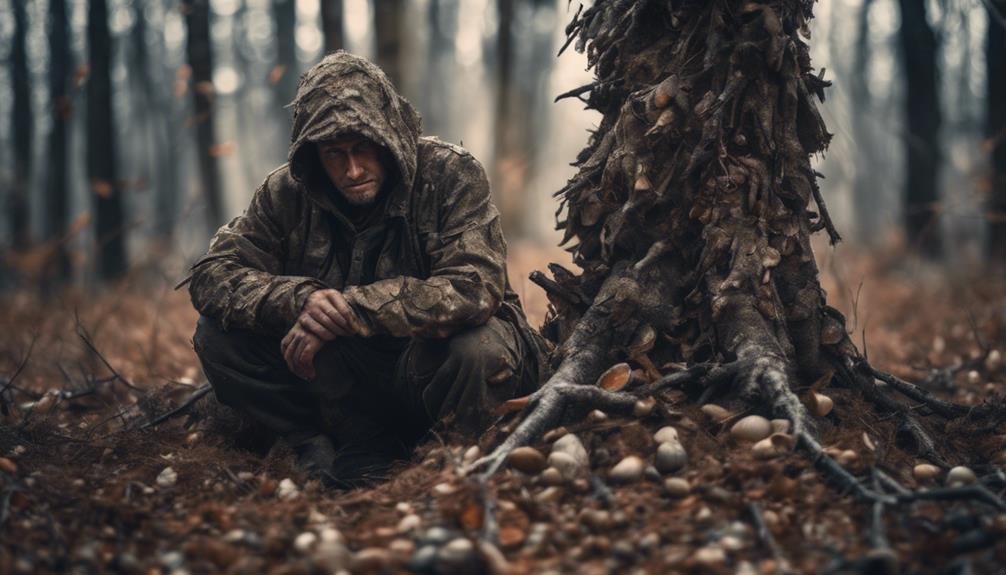
Ducking shame, indeed! Hunters who blast away without a care, littering wetlands with trash and disrespecting private property boundaries, are the real shame. They think hunting is a right, not a privilege, and leave a trail of destruction in their wake. And don't even get us started on the lack of preparation, flouting of laws, and disregard for fellow hunters and the environment. It's enough to make you quack with rage. But, if you're ready to face the ugly truth and learn how to hunt with some actual integrity, then let's plunge into the depths of this ducking shame.
Key Takeaways
- Disregard for bird etiquette, private property boundaries, and environmental respect are among the worst offenses in hunting.
- Failing to follow regulations, respecting fellow hunters, and practicing ethical disposal habits are essential for responsible hunting.
- Lack of preparation, planning, and adaptability can lead to a trail of destruction, harm to wildlife, and pollution of ecosystems.
- Flouting hunting laws and regulations can result in severe consequences, including license loss, fines, and equipment seizure.
- Irresponsible hunting ethics, wanton waste, and disregard for safety protocols can tarnish the reputation of the sport and threaten its long-term sustainability.
Unethical Hunting Practices Abound
You'd think it's common sense, but apparently, some hunters need a refresher course in Hunting 101: don't be a jerk, respect the environment, and for the love of all things feathered, don't be a skybuster. It's astonishing how some hunters disregard Bird Etiquette, blasting away at waterfowl without considering the consequences. Water Respect is vital, yet some hunters treat our wetlands like a dumping ground, leaving trash and destruction in their wake. It's time to revisit the basics: respect private property boundaries, follow regulations, and avoid wanton waste. Let's not forget, hunting is a privilege, not a right. By adhering to simple principles, we can maintain a sustainable and enjoyable hunting experience for all. So, hunters, take heed: clean up your act, and let's give our feathered friends the respect they deserve.
Disrespecting Fellow Hunters and Environment
While some hunters are busy perfecting their 'duck-umentary' skills, they're simultaneously trampling over their fellow hunters' toes – and the environment – with their inconsiderate antics. It's time to talk about the elephant in the blind: disrespecting fellow hunters and the environment. Hunting etiquette 101 dictates respecting fellow hunters' space and setup. Yet, some hunters seem to think they're the only ones on the water. Newsflash: they're not. Environmental responsibility is also vital, but some hunters treat the great outdoors like their personal trash can. Littering, not respecting private property boundaries, and not following rules and regulations set by wildlife management areas are just a few of the offenders. It's time to shape up, hunters, and remember that hunting etiquette and environmental responsibility are just as important as that perfect shot.
Lack of Preparation and Planning
Ducking shame, indeed, when hunters saunter into the blind without a clue, expecting to bag their limit without breaking a sweat – or cracking open a field guide. It's a recipe for disaster, or at the very least, a miserable day in the marsh. A lack of preparation and planning is a hallmark of the sloppy hunter. No Gear Checklist? No problem! Just wing it and hope for the best. And don't even get me started on Weather Contingency – what's that? A hunter without a backup plan is like a decoy without a anchor – useless. Newsflash: duck hunting ain't no cakewalk, folks. Do your homework, prep your gear, and be ready for anything Mother Nature throws your way. Anything less is just, well, ducking shame.
Flouting Hunting Laws and Regulations
Meanwhile, the hunters who think they're above the law, flaunting their disregard for hunting laws and regulations, are the ones who truly give the sport a bad name. It's time to call out these rebels without a cause, who think they can outsmart the system. Newsflash: you can't. And it's not just about getting caught; it's about respecting the sport and the environment.
| Regulation Flouted | Consequence |
|---|---|
| Hunting in closed areas | Loss of license, hefty fines |
| Shooting out of season | Criminal charges, equipment seizure |
| Exceeding bag limits | Revoked license, community service |
License reform and regulatory overhaul are long overdue. It's time to crack down on these rogue hunters and restore the integrity of the sport. Until then, the rest of us will be stuck dealing with the fallout of their reckless behavior.
Irresponsible Hunting Ethics and Conduct
A staggering 75% of hunting violations can be attributed to hunters who think the rules don't apply to them, yet somehow still manage to shoot themselves in the foot – literally and figuratively. It's a shame, really, because a little bit of hunting mentorship can go a long way in teaching newbies the importance of responsible hunting practices. Waterfowl stewardship is key, folks! It's not just about bagging a limit; it's about respecting the environment, the animals, and fellow hunters. Irresponsible hunting ethics and conduct are a blight on our sport, and it's time we called out the culprits. From skybusting to wanton waste, these egregious offenses are a slap in the face to responsible hunters everywhere. It's time to shape up, hunters, and show some respect for the sport we love.
Failing to Respect the Harvest
Having swooped in like a vulture, only to leave a trail of carnage in their wake, some hunters fail to respect the harvest, treating their kills like trash instead of the precious resource they truly are. It's like they think ducks are disposable, rather than a delicacy to be savored. Newsflash: they're not. Proper plucking, anyone? It's not that hard to treat your kill with respect, folks. Mindful consumption is key. Don't be that guy who leaves a mess, only to complain about the lack of game management. You're part of the problem, buddy. Take pride in your hunt, and make sure to use every last feather. It's time to step up your game, hunters. The ducks (and the environment) will thank you.
Ignoring Basic Safety Protocols
Ducking recklessly into the wetlands without a life jacket, flouting basic safety protocols, and expecting a trouble-free hunt is a recipe for disaster, or at the very least, a Darwin Award nomination. It's astonishing how many hunters neglect to prioritize their own safety. Failure to maintain firearms properly can lead to catastrophic consequences, and ignoring waterborne hazards like strong currents or slippery surfaces is a surefire way to end up as a statistic. It's not just about personal safety, either – neglecting safety protocols puts others at risk, too. We're not asking for perfection, just a healthy dose of common sense and respect for the great outdoors. So, please, for the love of all things feathered and furry, don't be that guy who thinks safety protocols are optional.
Disregard for Private Property Boundaries
While safety protocols are often the first to be neglected, another egregious offense is the blatant disregard for private property boundaries, because who needs 'no trespassing' signs or fence lines when there are ducks to be hunted, right? It's astonishing how some hunters think they're above respecting private landowners' rights. Newsflash: just because you're armed with a shotgun and a hunting license doesn't mean you can trespass with impunity. Landowner respect is vital, folks! Ignoring private boundaries not only puts you at risk of legal trouble but also tarnishes the reputation of responsible hunters everywhere. So, take heed: respect those 'no trespassing' signs, and always seek permission before entering private property. It's not that hard, folks.
Not Adapting to Changing Conditions
You'd think it's duck-hunting 101, but somehow, some hunters still fail to grasp the concept that duck hunting is not a static activity, and adapting to changing conditions is essential for success – and not getting skunked. Weather flexibility and condition awareness are key to a successful hunt. Yet, many hunters insist on sticking to their original plan, even when the weather turns sour or the birds change their patterns.
| Weather Condition | Adaptation Strategy | Why It Matters |
|---|---|---|
| High Winds | Adjust decoy spread and hide placement | To compensate for bird flight patterns |
| Heavy Fog | Use audio calls and reduce visual reliance | To increase chances of attracting birds |
| Rainy Conditions | Focus on puddle ducks and adjust shooting lanes | To capitalize on bird behavior changes |
| Sunny Skies | Use reflective decoys and adjust hide placement | To increase visibility and attract birds |
| Cold Fronts | Target birds in areas with food sources | To take advantage of bird behavior shifts |
Don't be that hunter who gets caught off guard by changing conditions. Adapt, and you'll be the one laughing all the way to a successful hunt.
Wanton Waste and Littering Abound
Leaving a trail of destruction in their wake, some hunters seem to think that 'duck hunting' is synonymous with 'trash the environment,' littering public lands with everything from broken beer bottles to discarded duck carcasses. It's a shameful display of disregard for the very land that provides their hunting grounds. Wanton waste and littering are not only an eyesore, but they also harm wildlife and pollute ecosystems. It's time for hunters to adopt ethical disposal practices and take responsibility for their actions. Responsible practices, such as packing out trash and respecting private property, are essential for preserving our natural resources. By adopting these habits, hunters can guarantee that their sport remains sustainable and enjoyable for generations to come. Ethical disposal is not only a moral obligation, but a necessary step towards preserving the environment.
Failure to Follow Bag Limits and Seasons
As we scrape the remnants of broken beer bottles and discarded duck carcasses from the public lands, it's time to shift our attention to an equally egregious offense: the blatant disregard for bag limits and seasons, which not only undermines the very fabric of responsible hunting but also threatens the long-term sustainability of our sport. It's astonishing to think that some hunters still believe they're above the law, snatching up as many birds as they can, whenever they please. Newsflash: Seasonal Awareness is key, folks! Limit Enforcement is not optional. Ignoring these fundamental principles is a recipe for disaster, leading to overhunting, population decline, and ultimately, the demise of our beloved sport. Time to get it together, hunters!
Frequently Asked Questions
What Are the Consequences of Hunting in Closed Areas or During Closed Seasons?
"Think you can outsmart the system? Think again! Hunting in closed areas or during closed seasons can lead to License Revocation, Fines Imposed, and even Jail Sentences – not exactly the trophy you're looking for!"
How Can I Ensure I'm Respecting Private Property Boundaries While Hunting?
To avoid trespassing on private property, familiarize yourself with boundary markings, establish respectful landowner relationships, and always obtain permission before hunting – it's not that hard, folks, don't be "that guy" who ruins it for everyone else.
What Are Some Tips for Scouting an Area Before a Hunt?
Before the hunt, ditch the couch and get boots-on-the-ground for some serious Habitat Analysis. Conduct Pre-Season Reconnaissance to identify bird patterns, habitats, and hideaways – it's not stalking, it's research, folks!
Can I Use Illegal or Unauthorized Hunting Equipment in Certain Situations?
"No, don't even think about it! Using illegal or unauthorized hunting equipment is a huge no-no, and not just because of the pesky laws and regulations. It's about respecting the sport, the environment, and the animals – and not being a cheating, gear-tampering, baiting ethics-violating jerk."
How Do I Handle and Clean Birds Humanely and Efficiently After a Hunt?
Finally, a question that doesn't make me cringe. To handle and clean birds humanely and efficiently, prioritize swift field dressing and proper meat preservation to guarantee a respectful harvest, you savage.
Conclusion
It's a curious coincidence that the very same hunters who tout their connection to nature and the great outdoors are often the same ones trampling private property, littering the environment, and disregarding the very laws meant to conserve wildlife. As the hunting community continues to grapple with its own shame, one thing is certain: the only thing being hunted is the sport's reputation.