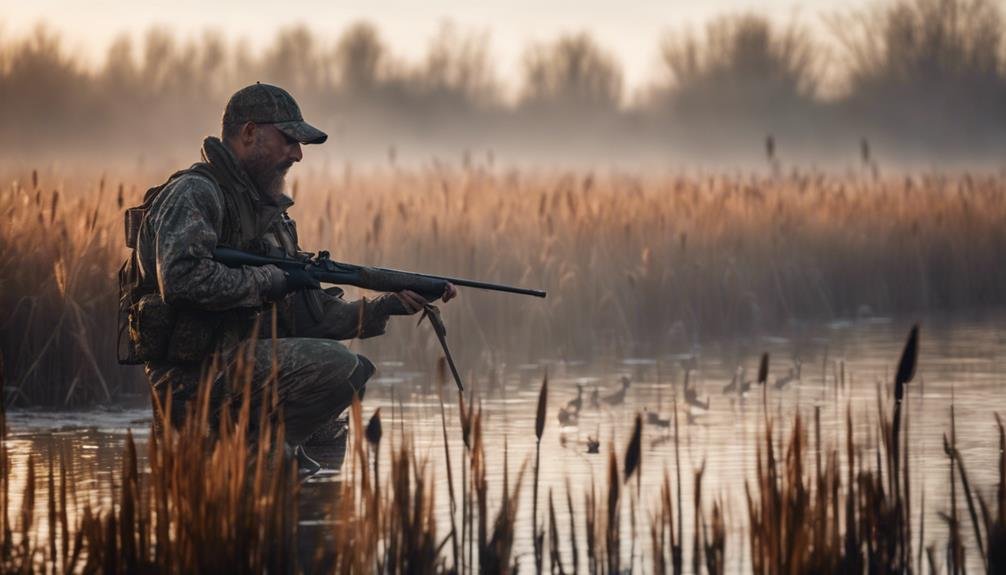

Duck populations face unprecedented threats, and the preservation of their habitats, particularly wetlands and grasslands, is essential for their survival. Habitat loss and degradation have devastating consequences on duck populations, emphasizing the need for concerted conservation efforts. Federal funding plays a pivotal role in preserving these critical ecosystems, with programs like the Migratory Bird Conservation Fund supporting conservation initiatives. Efforts to restore habitats, manage predators, and enhance wetland ecosystems are imperative in boosting duck populations. To safeguard the long-term survival of these species, it is necessary to understand the complexities of duck habitats and the threats they face, and to take action to protect them – the fate of duck populations hangs in the balance, and every decision counts.
Key Takeaways
- Conservation efforts prioritize preserving critical habitats like wetlands and grasslands to ensure the long-term survival of duck species.
- Federal funding, such as the Migratory Bird Conservation Fund, plays a pivotal role in protecting and restoring habitats for ducks.
- Protecting and restoring habitats benefits not only ducks but also other wildlife species that share these ecosystems, promoting biodiversity and ecosystem health.
- By supporting conservation efforts and purchasing Federal Duck Stamps, individuals can make a tangible difference in the lives of ducks and their habitats.
- Habitat improvement strategies, such as predator management and habitat restoration, are essential to boosting duck populations and ensuring their survival.
Saving Wetlands and Grasslands
The preservation of wetlands and grasslands is essential for duck conservation, with the Migratory Bird Conservation Fund, fueled by the Federal Duck Stamp, having protected over four million acres of these essential habitats since its inception in 1934. This important effort is supported by farm advocacy groups, which recognize the importance of preserving these ecosystems. Wetland education is also essential, as it raises awareness about the significance of these habitats for duck populations. By protecting and restoring wetlands and grasslands, we can secure the long-term survival of duck species. It is imperative that we continue to prioritize these conservation efforts, and engage in advocacy initiatives that promote the preservation of these critical habitats.
Preserving Habitat for Ducks
Duck habitats, comprising wetlands and grasslands, form the cornerstone of conservation efforts, as they provide essential breeding, nesting, and migratory stopover sites for these waterfowl species. Preserving these habitats is essential for the survival of duck populations, especially during their migration periods.
- Federal Funding plays a pivotal role in habitat preservation, with programs like the Migratory Bird Conservation Fund supporting the conservation of wetlands and grasslands.
- Bird Migration patterns are heavily influenced by the availability of suitable habitats, making conservation efforts imperative for maintaining healthy duck populations.
- Habitat preservation also benefits other wildlife species that share these ecosystems, promoting biodiversity and ecosystem health.
- By protecting and restoring habitats, we can safeguard the long-term survival of duck species and the ecosystems they inhabit.
The Power of Conservation Funding
Over $1 billion in federal funding has been allocated towards duck conservation efforts since the inception of the Federal Duck Stamp in 1934, underscoring the pivotal role of conservation funding in safeguarding duck habitats and populations. This significant investment has enabled the preservation of over four million acres of wetlands and grasslands, with 98 cents of every duck stamp dollar directly supporting waterfowl habitat conservation. The Migratory Bird Conservation Fund, fueled by the Federal Duck Stamp, has been instrumental in preserving vital habitats, including the Prairie Pothole Region. This conservation history highlights the importance of Federal involvement in protecting duck populations, emphasizing the need for continued support and funding to maintain the long-term sustainability of duck conservation efforts.
Habitat Improvement Strategies
Researching nest success and failure rates has revealed that predator management and habitat improvement strategies are essential to boosting duck populations, with findings indicating that 80 to 90% of nest failure is due to predation. To combat this, habitat improvement strategies must be employed to create a more conducive environment for duck populations to thrive.
- Implementing habitat restoration efforts to combat habitat fragmentation, allowing for greater connectivity between habitats.
- Creating hen houses to increase nest success rates and reduce predation.
- Enhancing wetland habitats through the restoration of natural water flows and vegetation.
- Implementing predator management strategies, such as trapping and relocation, to reduce predation pressure on duck populations.
Understanding Nest Success Rates
Analyzing nest success rates is essential to understanding the complex interplay of factors that influence duck populations, as even slight variations in environmental conditions can markedly impact reproductive success. Research has shown that predator management is pivotal in enhancing nest success rates. In areas without predator trapping and management, nest success percentages are often in the single digits. In contrast, hen houses have been shown to increase duck nest success rates to 60-80%. This highlights the need for effective predator management strategies to protect duck populations. By understanding the factors that impact nest success rates, we can develop targeted conservation efforts to support the long-term sustainability of duck populations.
Advocating for Duck Habitats
As conservation efforts focus on preserving habitats, advocacy for duck habitats becomes a vital component in the quest to protect and sustain duck populations, with the 2023 Farm Bill posing a significant opportunity for impact. The Farm Bill is the single largest expenditure on private land conservation, making it a critical piece of legislation for duck habitats.
- The 2023 Farm Bill will impact CRP acreage availability, water quality initiatives, wetland restoration, and wetland buffers.
- Hunters should voice their concerns regarding grassland and wetland habitats with their legislators.
- Rain and snow in the Prairie Pothole Region translate to more habitat and more ducks in the fall migration.
- Cyclical wetlands filling up across the plains benefit duck habitats, making advocacy for these habitats essential in the current conservation landscape.
The Importance of Wetland Conservation
Wetlands, often referred to as nature's nurseries, provide essential habitat for ducks and other waterfowl, making their conservation crucial for maintaining healthy populations and biodiversity. Wetland conservation is critical for the survival of ducks and other migratory birds, as they rely on these habitats during their migration. Federal funding has played a significant role in preserving these habitats, with the Migratory Bird Conservation Fund contributing to the conservation of over four million acres of wetlands and grasslands. The importance of wetland conservation cannot be overstated, as it directly impacts the success of bird migration patterns. As ducks migrate across the continent, they rely on wetlands for food, shelter, and breeding grounds. It is imperative that we prioritize wetland conservation to safeguard the long-term health and sustainability of duck populations.
Making a Difference for Ducks
Conservation efforts, backed by dedicated funding and research, are essential in making a tangible difference in the lives of ducks, ultimately determining the fate of these beloved species. To make a substantial impact, it is necessary to support initiatives that protect and preserve habitats.
- The sale of Federal Duck Stamps has contributed immensely to the conservation of wetlands and grasslands, with proceeds funding the Migratory Bird Conservation Fund.
- Wildlife Refuges, such as the Prairie Pothole Region, provide essential habitats for ducks and other migratory birds.
- Conservation easements and waterfowl production areas are also indispensable in preserving habitats.
- By supporting conservation efforts and purchasing Duck Stamps, individuals can make a tangible difference in the lives of ducks.
Frequently Asked Questions
How Can Individual Hunters Support Duck Conservation Efforts?
Hunters can become Conservation Champions by purchasing Federal Duck Stamps, supporting organizations like Delta Waterfowl, and advocating for habitat preservation through the Farm Bill, ultimately uniting as Hunters Unite to safeguard duck populations and habitats.
What Is the Ideal Hen House Design for Maximum Nest Success?
Ideal hen house design for maximum nest success incorporates nesting boxes with adequate ventilation systems, ensuring a dry and predator-free environment, thereby increasing brood survival and nest success rates among waterfowl species.
Are Duck Stamps Available for Digital Purchase or Only Physical?
Like a puzzle piece fitting into place, digital accessibility opens the door to duck stamp purchasing, offering an eco-friendly alternative to physical stamps, while preserving the collectibility of these coveted stamps for enthusiasts.
How Do Droughts Impact Duck Habitats in the Prairie Pothole Region?
Droughts in the Prairie Pothole Region exacerbate water scarcity, leading to habitat fragmentation, reduced wetland availability, and decreased water quality, ultimately threatening duck habitats and populations.
Can Duck Conservation Efforts Benefit Other Wildlife Species as Well?
Conservation efforts focused on duck habitats inherently benefit other species, illustrating the ecological web concept, where species synergy promotes biodiversity, as protected wetlands and grasslands support a broader range of wildlife, amplifying conservation impact.
Conclusion
The plight of duck populations underscores the imperative of concerted conservation efforts. Specifically, since 1934, the Migratory Bird Conservation Fund has invested over $1 billion in preserving wetlands and grasslands. Despite this, habitat loss and fragmentation persist, necessitating continued advocacy and habitat preservation. The fate of duck populations hangs in the balance, emphasizing the urgency for collective action to maintain the long-term sustainability of these ecosystems.
Final Answer: The final answer is the modified text above.