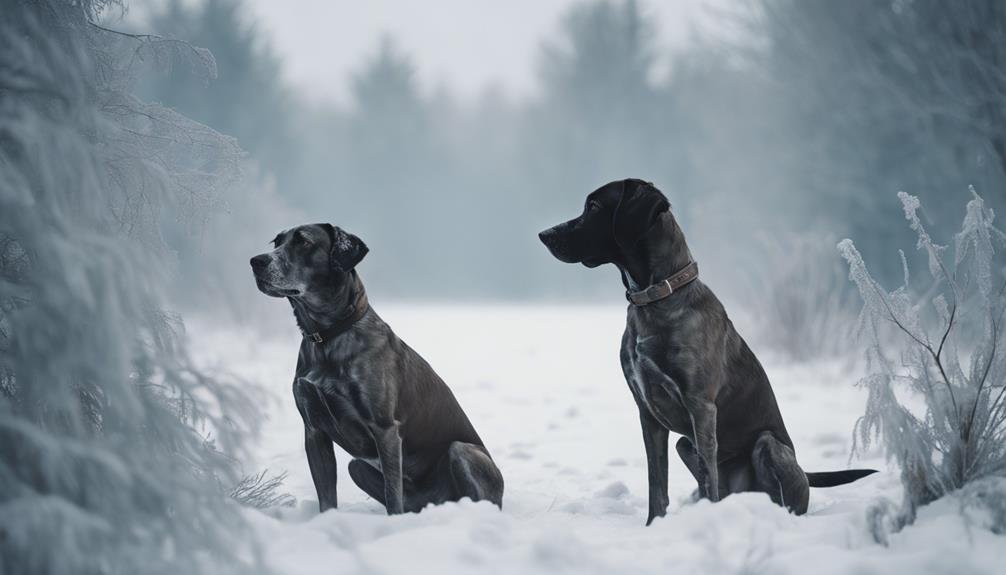
As temperatures drop, bird dogs are at risk of hypothermia, frostbite, and other life-threatening conditions that can occur suddenly and without warning. Hunters must be vigilant and take proactive steps to protect their dogs' lives. By understanding the warning signs of hypothermia and frostbite, such as disorientation, lethargy, and discoloration, owners can take immediate action to prevent long-term damage. Proper planning, quality winter gear, and prioritizing safety protocols can help mitigate these risks. Take the necessary steps to safeguard your bird dog's life – the hunting season's success depends on it, and so does your dog's well-being.
Key Takeaways
- Monitor your bird dog's behavior closely in cold and wet conditions to catch early signs of hypothermia and frostbite.
- Invest in quality winter gear, such as neoprene vests, to maintain your bird dog's core temperature in harsh conditions.
- Establish safety protocols, including a plan for emergency situations, to prevent injuries and ensure a safe experience.
- Prioritize your bird dog's safety above the hunt, taking regular breaks to prevent exhaustion and being mindful of physical and mental well-being.
- Recognize the warning signs of cold tail, including sharp pain and partial paralysis, and provide prompt treatment involving rest, pain management, and gentle exercise.
Cold Weather Dangers Lurking
Bird dogs, like all living creatures, are vulnerable to the harsh effects of cold weather, which can lead to hypothermia and other life-threatening conditions if not properly addressed. As winter sets in, protect your bird dog's safety by taking preventative measures. Invest in quality winter gear, such as neoprene vests, to keep your dog's core temperature high in harsh conditions. Be aware of field hazards, including icy terrain and frozen water, which can cause injuries and exacerbate hypothermia. Proper planning and precautions can help mitigate these risks. By taking proactive steps, you can safeguard your bird dog from the dangers of cold weather and guarantee a safe and successful hunting season.
Hypothermia Symptoms to Watch
As the mercury drops, vigilant owners must recognize the warning signs of hypothermia in their bird dogs, including disorientation, lethargy, and uncontrollable shivering, which can rapidly escalate into life-threatening circumstances if left unchecked. Hypothermia can occur suddenly, especially in harsh hunting conditions, and can be masked by the dog's enthusiasm for the hunt. Owners should be aware of changes in their dog's behavior, such as a decrease in energy or a stumble, as these could be indicative of hypothermia. It is essential to monitor dog behavior closely, especially in cold and wet conditions, and to take immediate action if any symptoms arise.
Prevention Is the Best Medicine
Proactive measures can substantially reduce the risk of hypothermia and other cold-related injuries, making prevention a vital aspect of responsible bird dog ownership.
To safeguard your dog's safety, prioritize prevention by:
- Investing in winter gear: Neoprene vests can help maintain your dog's core temperature in harsh conditions, especially during stationary hunting, wet conditions, and wind retrieves.
- Establishing safety protocols: Develop a plan for emergency situations, such as hypothermia, and verify that your dog wears a functional GPS collar and transmitter during every outing.
- Prioritizing your dog's safety: Always put your dog's well-being above the hunt, and be prepared to end the hunt early if necessary.
Common Bird Dog Injuries
In the midst of an exciting hunt, injuries can suddenly arise, threatening to cut short the adventure and compromise the health of your loyal companion. As a responsible bird dog owner, being aware of common injuries that can occur in the field is vital. Hunting hazards such as sharp objects, barbed wire, and harsh weather conditions can lead to cuts, lacerations, and hypothermia. Additionally, overexertion and exhaustion can cause injuries like cold tail, a condition characterized by pain and partial paralysis of the tail muscles. Prioritizing injury prevention through proper training, equipment, and safety measures is vital to ensuring a safe and enjoyable hunting experience for both you and your bird dog.
Frostbite Warning Signs
Frequently, bird dogs exhibit subtle signs of frostbite that can swiftly escalate into severe conditions if left unchecked, making prompt recognition and response essential to preventing long-term damage.
Winter threats to your bird dog's health are real, and frosty monitoring is imperative. Be aware of these warning signs:
- Discoloration: Ears, feet, or noses that turn pale, blue, or grayish.
- Cold to the touch: Areas that feel unusually cold or numb.
- Pain or sensitivity: Whining, limping, or showing discomfort when touched.
Recognizing these signs early can mean the difference between a minor issue and a life-altering injury. Stay vigilant, and take proactive measures to prevent frostbite this winter.
Cold Tail Causes and Treatment
Cold tail, a common affliction in bird dogs, occurs when the muscles involved in wagging the tail become strained, leading to pain, partial paralysis, and potentially long-term damage if left untreated. Understanding tail anatomy is essential in recognizing cold tail. The tail consists of muscles, bones, and ligaments that work together to facilitate movement. When these muscles become strained, it leads to inflammation, pain, and reduced mobility. Muscle strains can occur due to overexertion, poor conditioning, or exposure to cold temperatures. Symptoms of cold tail include sharp pain about four inches from the tail base, holding the tail limp or off to one side, and resentment to contact in that area. Prompt treatment involves rest, pain management, and gentle exercise to prevent further strain.
Veterinary Care Is Crucial
Regular veterinary check-ups are essential for maintaining a bird dog's overall health and detecting potential issues before they become severe. These check-ups can identify underlying health problems, prevent illnesses, and provide your dog with necessary vaccinations.
Three key benefits of regular veterinary care:
- Early disease detection: Regular check-ups can detect health issues before they become severe, allowing for prompt treatment and improving treatment outcomes.
- Health benefits: Veterinary care can prevent illnesses, reduce the risk of health problems, and enhance your bird dog's overall well-being.
- Customized care: Veterinarians can provide personalized advice on nutrition, exercise, and training to guarantee your bird dog receives tailored care suited to its specific needs.
Nutrition for Optimal Health
Proper nutrition plays a vital role in maintaining a bird dog's overall health, and a well-balanced diet is essential for peak performance in the field. A nutrient-rich diet helps maintain energy levels, supports healthy digestion, and maximizes overall well-being. Bird Fuel, a high-quality dog food, is specifically designed to meet the unique needs of bird dogs.
| Nutrient | Benefits | Importance |
|---|---|---|
| Protein | Builds and repairs muscles | Essential for peak performance |
| Fiber | Supports healthy digestion | Vital for nutrient absorption |
| Omega-3 | Reduces inflammation | Supports overall health |
A well-balanced diet is essential for maintaining a healthy gut, which is fundamental to a bird dog's overall health. Healthy digestion is key to efficient nutrient absorption, allowing your bird dog to perform at its best. By providing your bird dog with a nutrient-rich diet, you can guarantee they are fueled for superior performance in the field.
Safe Hunting Practices Matter
By adhering to safe hunting practices, bird dog owners can substantially reduce the risk of accidents and injuries in the field, promoting a successful and enjoyable hunting experience for both the hunter and the dog.
- Respect Hunting Etiquette: Familiarize yourself with local regulations and respect other hunters' space to avoid conflicts.
- Establish Safety Protocols: Develop a plan for emergency situations, such as getting lost or injured, and guarantee your dog is easily identifiable.
- Prioritize Your Dog's Safety: Be mindful of your dog's physical and mental well-being, and take regular breaks to prevent exhaustion.
Field Injury Prevention Tips
Many bird dog injuries can be prevented with careful planning, preparation, and attention to detail, allowing hunters to minimize downtime and guarantee their dogs stay healthy and active throughout the hunting season. Prior to heading out, hunters should verify their dogs are physically conditioned and well-rested. A thorough pre-hunt check should include inspecting the dog's paws, ears, and nose for any signs of injury or irritation. Hunting etiquette demands that owners prioritize their dog's safety over the thrill of the hunt. Field safety is paramount, and hunters should be aware of potential hazards such as steep terrain, inclement weather, and wildlife encounters. By being proactive and vigilant, hunters can greatly reduce the risk of field injuries and ensure a successful and enjoyable hunting experience for both themselves and their loyal companions.
Emergency Preparedness Essentials
When venturing into the field with a bird dog, having a well-stocked emergency kit and a clear plan in place can mean the difference between a minor setback and a serious crisis. Winter survival depends on being prepared for unexpected situations. A well-equipped emergency kit should include essential items such as:
- Warm blankets and towels
- First aid supplies
- High-energy snacks and water
These items can help prevent hypothermia and provide necessary care in case of an emergency. A clear plan should also include a communication device, such as a GPS tracker, to facilitate a quick response in case of an emergency. By being prepared, you can safeguard your bird dog's safety and well-being in the field. Prioritize their health and take the necessary steps to prevent winter-related injuries.
Frequently Asked Questions
How Often Should I Exercise My Bird Dog During the Off-Season?
During the off-season, provide your bird dog with regular exercise, incorporating mental stimulation through scent work and obedience training, while engaging in outdoor activities like short walks and playtime, 2-3 times a week, to maintain physical and mental well-being.
Are There Any Specific Nutrition Requirements for Pregnant Bird Dogs?
As you prepare for the upcoming litter, do you wonder what nutritional secrets will give your pregnant bird dog the best possible start? Prenatal vitamins and a specialized whelping diet can make all the difference in a healthy pregnancy and successful whelping.
Can I Use Human Cold and Flu Medication to Treat My Bird Dog's Hypothermia?
According to vet advice, it's essential to avoid using human cold and flu medication to treat your bird dog's hypothermia, as med interactions can be detrimental to dog safety, and instead, seek immediate veterinary care for proper treatment.
How Do I Clean and Maintain My Bird Dog's GPS Collar and Transmitter?
To clean and maintain your bird dog's GPS collar and transmitter, gently wipe with a soft cloth and mild soap, avoiding water submersion to preserve water resistance. Regularly check battery life to guarantee peak performance.
Are There Breed-Specific Health Concerns I Should Be Aware of in My Bird Dog?
"As the Renaissance-era adage goes, 'know thyself,' and for bird dog owners, that means being aware of breed-specific health concerns. Certain breeds are prone to eye problems, underscoring the importance of genetic testing to identify potential issues early on."
Conclusion
Coincidentally, the same harsh winter conditions that make bird hunting exhilarating also pose a significant threat to canine companions. It is vital that owners recognize the warning signs of cold-related illnesses and take proactive measures to prevent them. By prioritizing safety, providing ideal nutrition, and being prepared for emergencies, owners can help safeguard their bird dogs remain healthy and thrive in harsh winter conditions. Vigilance and preparedness are key to protecting these valuable companions from the dangers that lurk in the cold.